
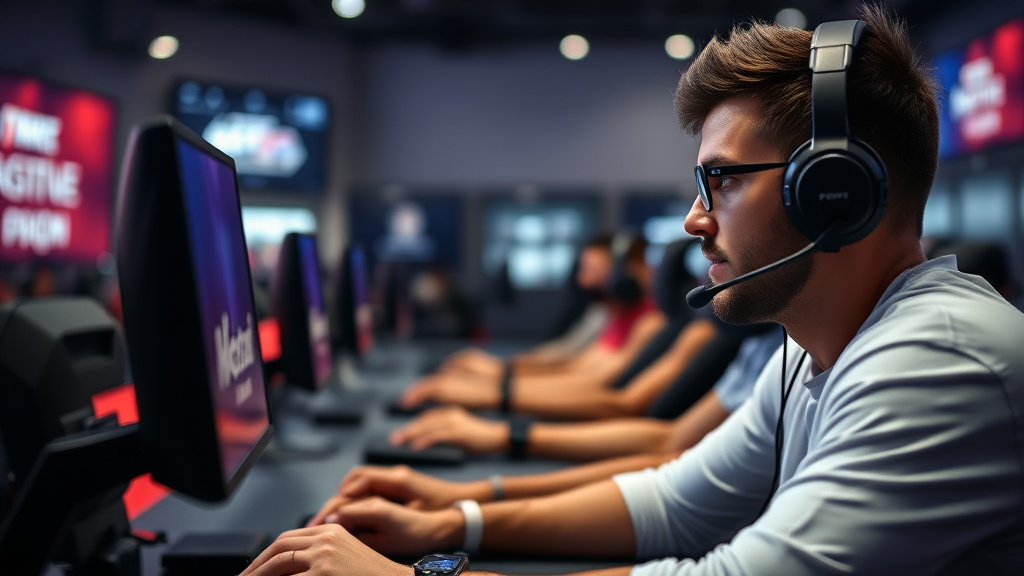
The esports industry is undergoing a substantial transformation as leading professional organizations recognize that competitive gaming takes a serious impact on players’ mental health. From stress and exhaustion to mood disorders and insomnia, elite gamers face unique psychological pressures that require specialized support. In response, major esports teams and leagues are now introducing full-scale wellness initiatives, partnering with sports psychologists and wellness experts to guarantee their athletes get the care they need to thrive both in and out of competition.
The Growing Demand for Mental Health Assistance in Esports
The competitive esports landscape has evolved dramatically over the previous decade, converting gaming from a leisure activity into a demanding professional environment. Elite players now encounter rigorous workout routines, fierce competitive challenges, and substantial monetary stakes that compete with mainstream sports. This escalation has elevated psychological concerns to the spotlight, as players grapple with pressure-related anxiety, chronic stress, and the emotional weight of performing at the elite tier.
Research increasingly shows that professional esports players experience mental health issues at concerning levels. Studies indicate heightened rates of depression, anxiety disorders, and burnout among competitive gamers, often worsened by disrupted sleep schedules, social isolation, and the relentless push to preserve competitive excellence. The demanding nature of esports—necessitating prolonged concentration, fast-paced judgments, and mental fortitude—creates a unique psychological environment that traditional support systems commonly neglect to handle adequately.
The industry’s acknowledgment of these concerns marks a critical juncture in how esports organizations emphasize player welfare. Leading teams now appreciate that mental health directly impacts performance, longevity, and career sustainability. Without sufficient psychological assistance, talented players risk career-ending burnout, damaged relationships, and sustained psychological issues that transcend their competitive careers.
Beyond individual player wellbeing, the normalization of mental health discussions within esports supports the entire industry. When organizations openly address mental health issues, they lower barriers and motivate fellow competitors to get support without worry about criticism or professional consequences. This cultural shift establishes a stronger and more supportive professional setting where success is measured not only by championship titles but also by long-term athlete health.
The significance of implementing mental health support programs should not be underestimated. As esports experiences continued growth and professionalization, the psychological challenges for players grow in parallel. Organizations that do not deliver adequate mental health resources stand to lose talented players to burnout and facing reputational damage in an increasingly socially conscious industry.
Professional esports organizations are increasingly acknowledging that investing in mental health support is far more than a compassionate gesture but a strategic necessity. By implementing full-scale support systems, teams improve player performance, decrease turnover, and establish themselves as leaders in professional athlete support. This forward-thinking strategy signals to emerging competitive gamers that their emotional wellness matters equally to their gaming skills.
Leading Groups Spearheading the Program
The esports industry’s biggest teams have become leaders in prioritizing player psychological well-being, acknowledging that emotional stability significantly affects competitive performance and career sustainability. Teams like T1, FaZe Clan, and Cloud9 have committed significant resources in comprehensive mental health support systems, bringing on qualified therapists and sports psychology experts. These organizations recognize that prioritizing their athletes’ mental health gives them a strategic advantage while promoting a healthier gaming culture as a whole.
Global esports leagues have also taken action with institutional support. The League of Legends Championship Series and CS:GO Pro League have established psychological support systems within their organizational frameworks. By promoting mental health resources at the highest competitive levels, these organizations are breaking down barriers surrounding psychological wellness in esports and establishing best practices that smaller organizations are beginning to embrace and implement.
Team-Based Psychological Wellness Programs
Progressive esports organizations have created comprehensive in-house mental health programs tailored specifically to competitive gamers’ distinct pressures. These programs blend preventative wellness initiatives with crisis intervention resources, ensuring players have quick availability to support as required. Team psychologists partner with coaching staff to embed mental health strategies into regular practice schedules, emphasizing resilience, stress management, and healthy coping mechanisms for the intense pressures of professional competition.
The leading team programs implement a integrated framework, addressing not only competitive stress but also daily habits affecting mental health. Organizations offer sleep improvement guidance, nutrition counseling, and exercise initiatives alongside conventional counseling. By treating mental health as fundamental to athletic performance rather than a peripheral concern, these teams foster environments where players feel confident seeking help and prioritizing their psychological well-being.
- Regular individual counseling meetings with licensed sports psychologists
- Team-wide mental health workshops and stress reduction training programs
- 24/7 crisis hotline access for players experiencing acute psychological distress
- Peer support groups facilitating athlete-to-athlete relationships and collective insights
- Post-tournament psychological wellness assessments and recovery procedures
Influence on Player Health
Quantifiable Enhancements in Athletic Achievement and Health and Welfare
The implementation of psychological wellness initiatives has already delivered measurable benefits for esports professionals. Organizations document substantial enhancements in player retention, group dynamics, and tournament performance. Players who engage with psychological services show lower anxiety, enhanced coping strategies, and enhanced focus during matches. These positive outcomes substantiate the commitment to wellness programs, proving that investing in psychological support directly contributes to both player performance and competitive advantage in the demanding esports landscape.
Beyond performance metrics, players themselves report better quality of life and increased resilience in handling competitive pressures. Availability of counseling services, meditation initiatives, and stress-reduction techniques has empowered athletes to establish healthier coping approaches. Team dynamics have grown more supportive, reducing the stigma surrounding mental health discussions. Players now feel at ease seeking help without worry about judgment or career consequences. This cultural change represents a fundamental change in how the esports industry emphasizes the overall well-being of its professional esports players.
Comprehensive Industry Expansion and Standardization
As recognition expands, mental health support is growing beyond elite teams to amateur and semi-competitive esports communities. Major gaming organizations are implementing uniform guidelines and industry standards for mental health care, setting industry benchmarks. Esports governing bodies are developing guidelines that encourage all teams to adopt comprehensive wellness programs. This expansion ensures that mental health support transforms into an industry standard rather than a strategic edge, democratizing access to care across all levels of professional gaming.
Looking ahead, the esports industry is set to emerge as a model for athlete wellness in competitive sports. Continued research into mental health issues unique to gaming will guide increasingly specialized treatment approaches. Funding for training mental health professionals with esports expertise is increasing. As the industry develops, mental health support infrastructure will likely become as essential to coaching and training facilities, ensuring that future generations of esports professionals can advance professionally while preserving peak mental health.
Extended Outlook for Enduring Esports Career Development
The integration of psychological support services reflects a pledge to enduring, career-focused careers in competitive gaming. Organizations understand that maintaining player psychological well-being is vital for career longevity and reducing burnout-driven exits. By emphasizing player health, teams invest in the ongoing sustainability of their rosters and the standing of esports as a valid professional field. This proactive approach establishes routes for players to develop rewarding professional paths without jeopardizing their mental wellness.
The esports industry’s commitment to psychological wellness initiatives constitutes a critical turning point in sports evolution. As these programs mature and expand, they create a fresh benchmark for how athletic sectors should care for their athletes. The success of existing programs will probably encourage equivalent offerings across other esports organizations and potentially influence traditional sports. By emphasizing athlete wellbeing today, the esports community is building a healthier, more sustainable future for competitive gaming and demonstrating that success and mental health are not in conflict.
