
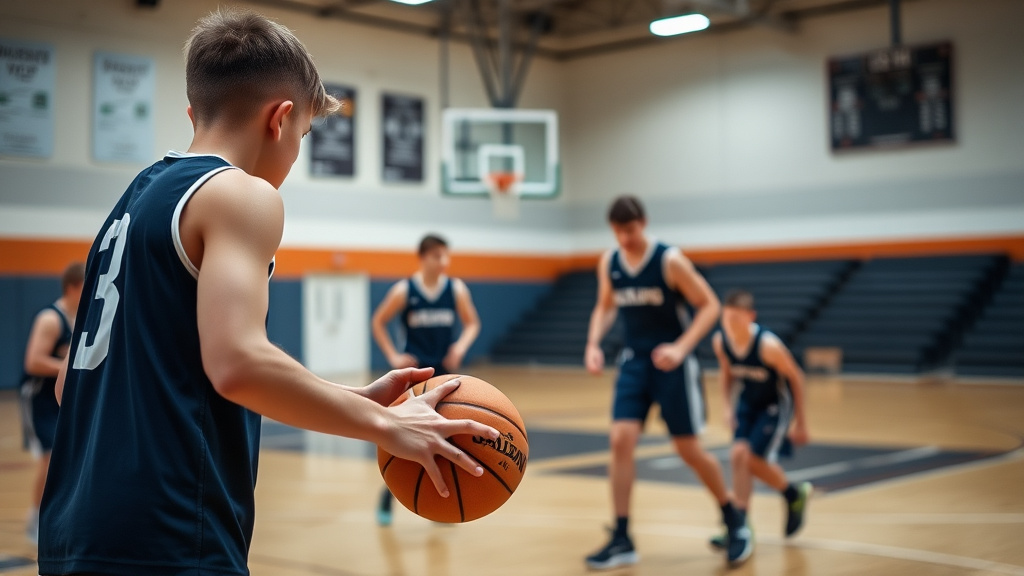
Youth basketball has long been a common pathway for physical skill growth, yet injuries continue to be a persistent concern for parents and coaches alike. Acknowledging this important problem, leagues nationwide are now introducing comprehensive safety protocols designed to protect youth players on the court. From improved equipment requirements to improved coaching certifications and head injury prevention initiatives, these groundbreaking initiatives promise to significantly reduce injury rates while preserving the competitive spirit and fun that makes basketball so appealing to youth players.
Understanding the Importance for Strengthened Security Protocols
Youth basketball injuries have reached alarming levels nationwide, with sprains, fractures, and concussions rising in prevalence among young athletes. The American Academy of Pediatrics reports that basketball accounts for a substantial share of sports-related injuries in youth populations. These injuries not only cause immediate physical pain but may also result in long-term complications, psychological anxiety about returning to play, and lost chances for athletic development. Parents and coaches understand that protecting young players needs to remain essential while preserving the sport’s competitive nature and enjoyment.
The financial and emotional burden of basketball injuries extends beyond individual athletes to affect families and communities. Healthcare costs, rehabilitation costs, and time away from the sport generate substantial challenges for households already handling busy schedules. Furthermore, repeated injuries can deter young athletes from pursuing their basketball career, potentially eliminating future opportunities for scholarships and professional advancement. By implementing robust safety measures, youth leagues show their commitment to building an environment where players can improve their skills confidently, knowing that their well-being remains the paramount concern of coaches, administrators, and medical professionals.
Essential Safety Measures Being Put in Place
Youth basketball leagues are rolling out a comprehensive suite of protective protocols created to address the primary safety concerns affecting young athletes. These guidelines encompass equipment requirements, coaching education, medical supervision, and injury reduction approaches. By adopting these research-backed practices, leagues work to establish safer playing environments while protecting the competitive nature and fun of the sport for all participants.
Right Equipment and Safety Gear
Leagues are currently requiring premium safety gear as a foundation of injury prevention. All players must wear correctly sized footwear engineered for basketball, along with moisture-wicking apparel that reduces friction-caused injuries. Additionally, protective eyewear is suggested for players with visual correction needs, and mouthguards are progressively obligatory during games and practices to prevent dental injuries and concussions.
Court safety standards have likewise been enhanced substantially. Facilities must now maintain proper padding on the walls and support structures, with routine checks verifying adherence. Basketballs and other equipment adhere to strict safety specifications, while gym floors are routinely inspected for hazards. These facility enhancements work in conjunction with personal protective gear to provide complete injury prevention across the playing space.
Coaching Qualification and Certification Requirements
All coaches involved in youth basketball programs must now complete advanced safety training courses before leading teams. These detailed instructional programs cover injury recognition, first aid, CPR, and protocols for managing concussions. Coaches learn correct instructional techniques to reduce the risk of injuries and understand their legal and ethical responsibilities toward player safety. Regular annual recertification ensures coaches remain current with evolving safety standards and best practices.
Beyond basic credentials, coaches undergo instruction on age-appropriate instructional approaches and conditioning techniques that lower overuse injuries. They learn to recognize signs of heat stress, dehydration, and fatigue in junior athletes. Coaches are also trained to identify potential concussions and understand proper return-to-play protocols. This commitment to coach development establishes a culture of safety awareness throughout junior basketball leagues.
- Complete CPR and emergency medical certification annually
- Participate in concussion management and recognition training
- Develop correct instructional methods and coaching methods
- Grasp heat illness prevention and hydration protocols
- Maintain knowledge of emergency response plan protocols
Assessing Performance and Looking Ahead
Tracking Development and Performance
Youth basketball leagues are carefully assessing the performance of their new safety protocols through comprehensive data collection and analysis. By tracking injury rates before and after implementation, administrators can document concrete gains in player safety. Early reports from leagues that put these safeguards in place show encouraging outcomes, with some organizations showing injury declines of up to 30 percent. Further tracking and analytical review will deliver important understanding into which protocols work best, allowing leagues to refine their approaches and distribute successful approaches across the basketball community.
Extended Rollout and Growth
As safety protocols showcase their effectiveness, youth basketball organizations are committed to expanding these initiatives throughout all age groups and competitive levels. Leagues plan to allocate funding for additional coach training programs, upgrade protective equipment standards, and enhance medical staff presence at all games and tournaments. Furthermore, coordination between regional and national basketball associations will guarantee consistent safety standards nationwide. This coordinated approach promises to create a safer environment for young athletes while building a foundation for sustainable injury management practices that will serve basketball communities for years to come.
Establishing a Safer Basketball Environment
The implementation of thorough protective guidelines demonstrates a substantial shift in culture within youth basketball, prioritizing player welfare in conjunction with athletic achievement. As additional leagues adopt these initiatives, parents can feel assured that their children are participating in programs committed to injury prevention. Looking ahead, further investigation, technological innovation, and community involvement will continue strengthening safety measures. By establishing this commitment to player protection, youth basketball leagues are establishing a strong model that illustrates how organized sports can achieve balance between competitive excellence with extensive health and safety protocols.
